 NEKA.AI
Standing Out in a Crowded Scene: Why Quirky Beats Perfect
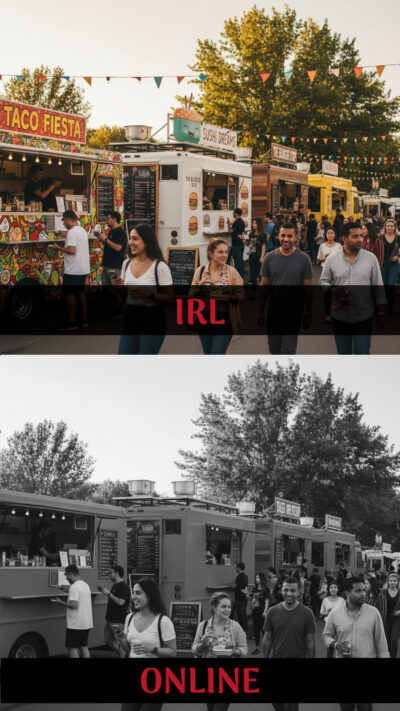
Picture this: It’s a Saturday afternoon at the downtown food festival. The street is alive with color — trucks wrapped in neon flames, hand-painted murals, and bold logos. Each one is doing what food trucks do best: standing out. Nobody rolls up with a plain white box and a sign that just says “Food.”
But here’s the twist: while food trucks are bold, playful, and often downright quirky in person, their online presence usually tells a different story. Scroll through Instagram and you’ll see a sea of nearly identical posts — perfectly lit food shots with polished captions. Professional, sure. But not exactly memorable.
And that’s the paradox. Food trucks already know that quirkiness — the jokes at the window, the funny chalkboard sign, the offbeat dish names — is what customers remember and talk about. Yet online, that personality often gets flattened into the same glossy sameness.
The Gap Between Street and Screen
That’s the strange disconnect. In person, food trucks thrive on quirkiness. They’ve painted their trucks, crafted clever names, written witty chalkboard signs, and built loyal followings around the playful energy they bring to the window.
But online, it’s harder. Not because they don’t care or aren’t trying — it’s because the tools they’ve had until now were never designed to help that personality shine. They’re designed to make things look as professional as possible, which is good: neat photos, polished captions, templated replies. But that’s not them.
The result is a gap: the unforgettable, quirky experience people have at a truck doesn’t always carry over to the digital world. And in a world where more and more decisions start online — that gap matters.
Why Quirky Works (and Food Trucks Already Know This)
Anyone who’s stood in a food truck line knows this: people don’t just line up for the food — they line up for the experience. They tell their friends about the banter at the window, the playful sign by the register, or the story behind a dish. Those moments stick.
Psychologists have names for it. The Von Restorff effect says our brains are wired to remember what feels different from the rest. The pratfall effect says we actually like people more when they show little imperfections — it makes them human and relatable.
Food trucks live this out every day. Every joke cracked while handing over an order, every quirky pun on the menu board, every weird-but-fun dish name is proof that personality is what people remember — and what they share.
The same principle shows up online. Compare two answers to a simple customer question:
Polished response to “Is the chili spicy?”
“Our signature chili features a balanced blend of spices that creates a medium heat level suitable for most palates. Hot sauce available on the side.”
Quirky response to “Is the chili spicy?”
“Depends. Yesterday’s batch made our toughest regular tear up. He swore it was allergies. We didn’t argue.”
One of those gets forgotten instantly. The other makes people smile — maybe even screenshot it to share with a friend.
The AI Shift
Here’s the good news: a massive shift is happening right now. AI is everywhere, but most small businesses still aren’t sure how to use it. For food trucks, though, it’s almost the perfect fit — because they’re all about personality and the experience.
They can’t personally greet every person who stumbles across their Instagram page at midnight or checks their Google Maps listing while planning lunch. But AI can. It can be a 24/7 brand sidekick that:
- Chats with potential customers in the truck’s quirky, one-of-a-kind voice.
- Answers basic questions (hours, location) while keeping things playful.
- Generates witty captions and content from the same photo that would otherwise blend in.
It’s the easiest way to carry that quirkiness into the moments when the owner can’t be there.
From Likes to Laughs
Perfect posts get likes. Quirky posts get laughs, screenshots, and shares.
When someone has a fun interaction with a brand online — maybe the chatbot cracks a self-deprecating joke about “world-famous in this ZIP code” tacos — they don’t just smile and scroll on. They show their friends. They tag people. They remember the truck the next day when deciding where to eat.
And that’s marketing gold. Not the kind that has to be paid for, but the kind that grows organically because people genuinely enjoy spreading it.
Why This Matters More Than Ever
Here’s the thing: customers could find the same menu items elsewhere, maybe even at a lower price, maybe even something that tastes a lot like the original. But what they can’t get anywhere else is the personality — that quirky spark that makes a truck feel alive.
That’s the moat. That’s what keeps people coming back. And now, for the first time, there’s a way to make sure that personality is just as strong online as it is at the curb.
When that quirky voice becomes part of every digital interaction, customers don’t just feel loyal — they feel connected. They aren’t just choosing the food; they’re rooting for the people behind it.
Making It Work
So how does this translate into action? It starts with questions food truck owners already have the answers to:
- What’s the vibe when regulars hang around the window?
- What do people say when they recommend the truck to friends?
- If the truck itself could talk, how would it sound?
AI makes it effortless to amplify those answers online, so the same quirky personality that makes people line up in person comes through everywhere else too.
The Bottom Line
Food trucks already know how to stand out — their wraps, menus, and customer interactions prove it every day. The problem is that until now, online tools weren’t built to capture that same magic.
AI changes that. It’s the easiest way to amplify their voice and let their brand shine through — not just at the festival, but anywhere customers discover them.
Because in the end, it’s not perfection that wins hearts (and stomachs). It’s their unique personality — their quirkiness — that forms the lasting connection.